Tickets Athens

Acropolis vs Acropolis Museum

Many Athens itineraries juggle the hilltop Acropolis and the modern Acropolis Museum-they’re neighbors that tell the same story from different angles. One is the ancient site itself; the other shelters its masterpieces. Not sure where to start (or if you can do both)? The guide below breaks it down.

Quick comparison – Acropolis vs Acropolis Museum

FeatureAcropolisAcropolis Museum

Location

Hill above central Athens (access via south or northwest entrances)

15 Dionysiou Areopagitou, opposite the Acropolis south slope

Price

General admission commonly €30 in high season after 2025 reforms; reduced/seasonal discounts apply; guided out-of-hours small-group tours cost €5,000 per group.

General admission typically €20 (check seasonal rates; concessions available).

What is it?

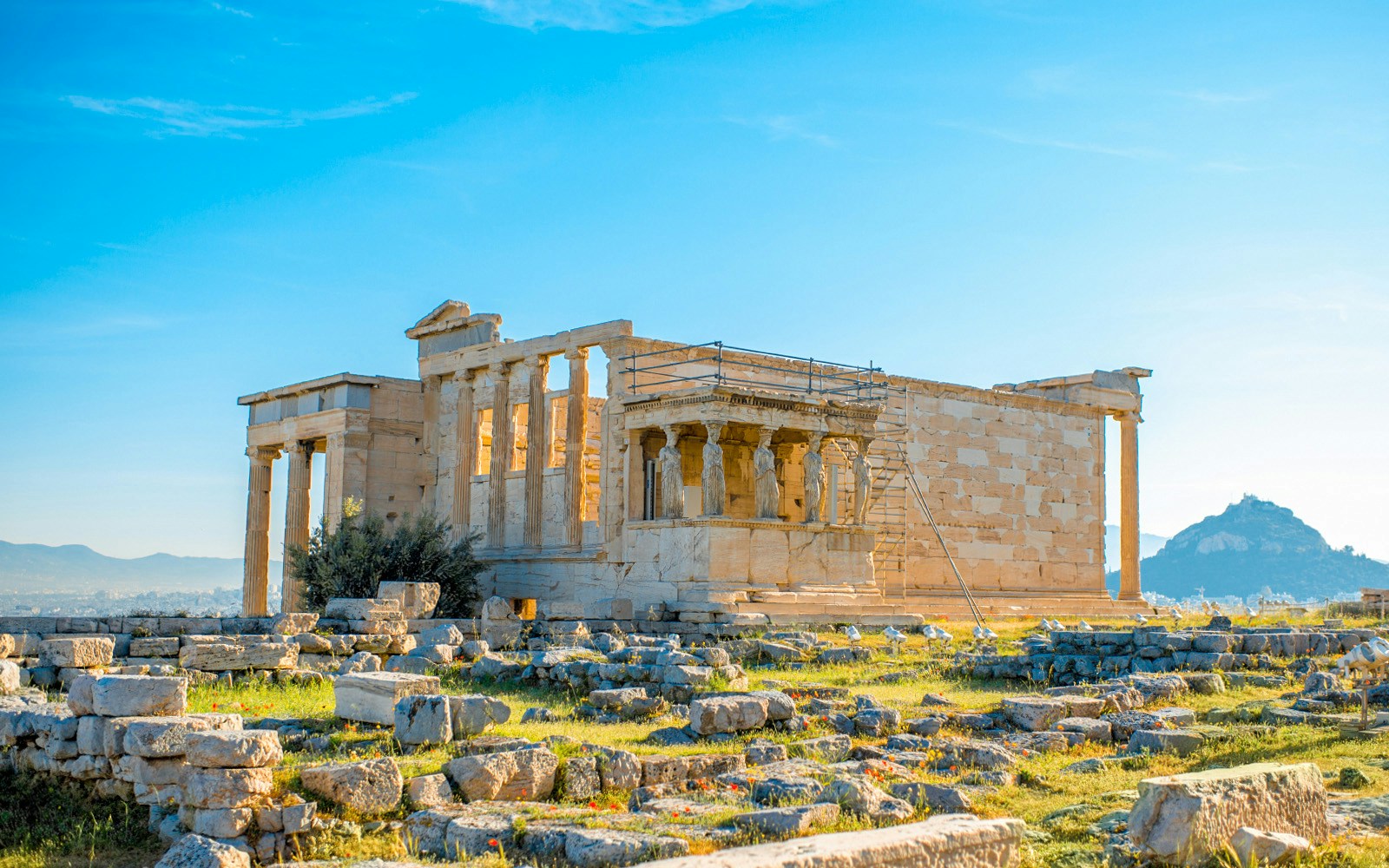
Open-air archaeological site with the Parthenon, Propylaea, Erechtheion, and ancient theaters

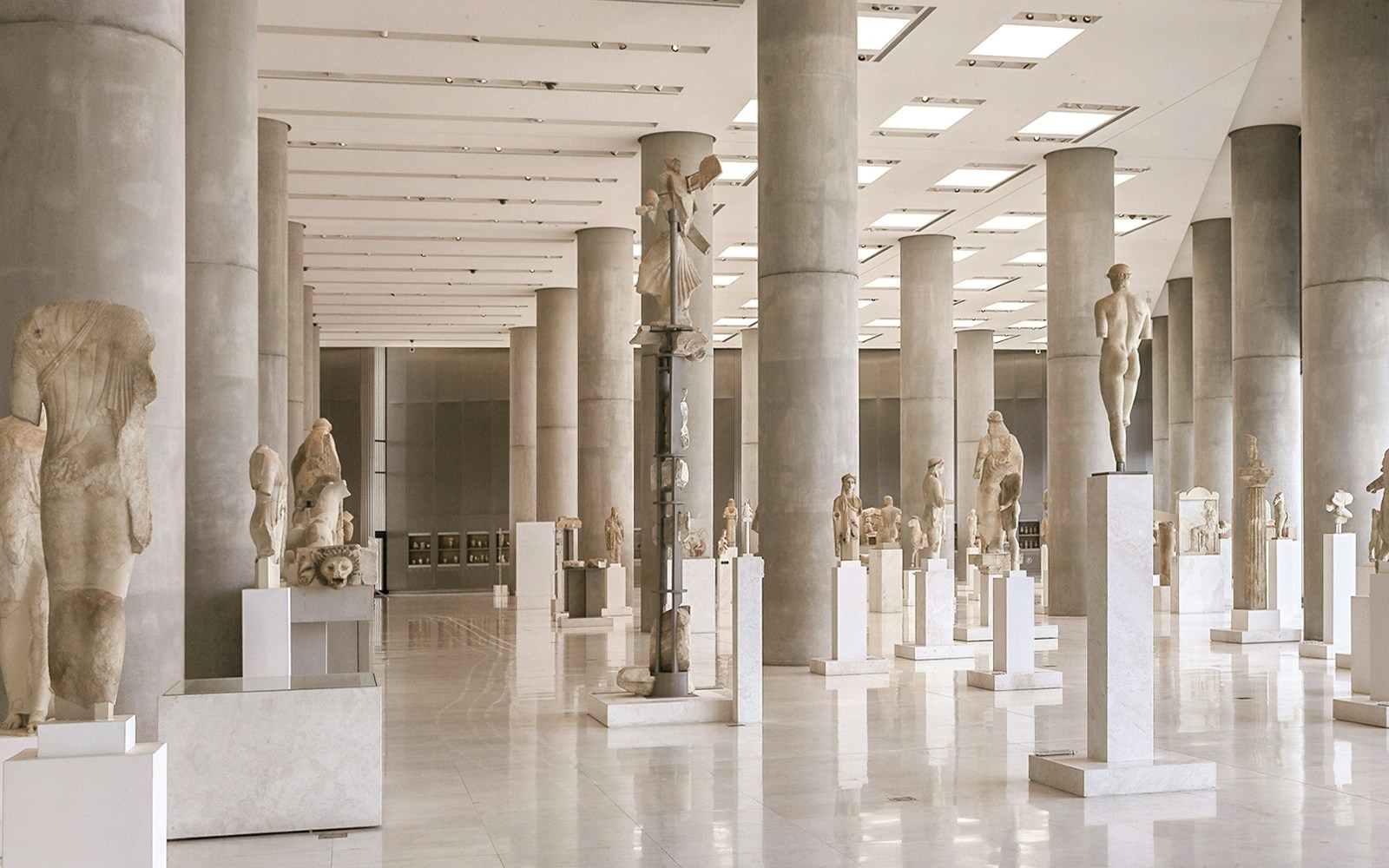
Purpose-built museum housing sculptures and finds from the Acropolis, including the Caryatids and Parthenon sculptures

Built / Age

Classical Athens peak (5th century BCE) with earlier Mycenaean traces

Opened 2009; contemporary glass-and-stone architecture

Size / Scale

Hilltop complex (~150 m elevation) with multiple monuments and slopes

25,000 m² museum; Parthenon Gallery mirrors the temple’s layout

Timings

Generally 08:00 until sunset (seasonal variability; heat/wind closures possible) (Acropolis, Athens)

Seasonal hours; typically morning–evening with late Friday opening; check official calendar.

Duration needed

1.5–3 hours (longer with both slopes)

1.5–2.5 hours (more if lingering in Parthenon Gallery)

Queues / Wait time

High at mid-morning; security bottlenecks common in summer

Moderate; timed entry moves faster than the hill on busy days

Best time to visit

Early morning (opening) or late afternoon for lighter crowds and softer light

Midday/afternoon (air-conditioned); Friday evening for night views from café

Accessibility

Step-free elevator to summit (weather permitting); uneven marble/stone paths require care; accessible WCs near site.

Fully accessible with ramps/elevators, accessible WCs on all floors, wheelchairs available; guide dogs welcome.

Kid-friendly

Spectacular but hot/uneven; best with breaks and shade

Very family-friendly; clear signage, climate-controlled, interactive areas

Highlights

Parthenon, Erechtheion & Caryatid Porch, Propylaea, Theatre of Dionysus, views over Athens

Caryatids (originals), Parthenon frieze & metopes displays, Archaic Gallery, excavated ruins under glass floors

Dining options

None on the hill; kiosks/cafés at base

Museum café & restaurant with Acropolis views.

Nearby attractions

Ancient Agora, Roman Agora, Plaka, Anafiotika

Same neighborhood (Makrygianni/Plaka), Odeon of Herodes Atticus opposite south slope

Verdict – Which Should You Visit?

Short on time? Choose the Acropolis Museum for climate-controlled galleries, easy access, and a crystal-clear narrative. Want the goosebumps moment? Go for the Acropolis - the Parthenon on its marble plateau is unforgettable. Have half a day? Do both: museum first for context, then the hill late afternoon for golden light and cooler temps.

See the story from both sides

Pair museum context with the real stones on the hill. Book a dual-visit plan with timed museum entry and an afternoon Acropolis slot to dodge crowds and heat.

Major differences between the Acropolis and the Acropolis Museum explained

History & architecture

Acropolis: A living archaeological landscape crowned by the 5th-century BCE Parthenon and its gateways, theaters, and sanctuaries.

Acropolis Museum: A 21st-century building (opened 2009) designed to align with the Parthenon and display its sculptures in architectural context.

Experience highlights

Acropolis: Walk ancient processional routes, stand by the Parthenon, view the Erechtheion’s Caryatid Porch, and look over Athens from the summit.

Acropolis Museum: Meet the original Caryatids, study the Parthenon frieze** in a full-scale gallery, and peer through glass floors at excavations below.

Atmosphere & audience

Acropolis: Open air, dramatic, and exposed, crowded mid-morning in summer; better for photographers and first-timers seeking the iconic view.

Acropolis Museum: Calm, curated, and cooler, ideal for families, deep-divers, and anyone avoiding heat or uneven ground.

Location & surroundings

Acropolis: Hilltop accessed from south slope (near the museum) or northwest (Monastiraki/Thissio area).

Acropolis Museum: On pedestrian Dionysiou Areopagitou promenade opposite the south slope entrance. Perfect to combine same day.

When to visit

Acropolis: Typically 08:00–sunset; choose opening or late day for fewer crowds and mellower light; occasional weather closures.

Acropolis Museum: Seasonal hours with late Friday opening; great after an afternoon on the hill.

Other practicalities

Acropolis: Elevator to the top for visitors with mobility needs (weather dependent); surfaces can be slippery.

Acropolis Museum: Fully step-free, elevators and accessible WCs on all floors; wheelchairs to borrow; guide dogs welcome.

What you’ll see at the Acropolis

Parthenon ruins with columns and ancient stone fragments in Athens, Greece.

Parthenon

Doric temple to Athena (447–432 BCE), centerpiece of Classical Athens and the skyline’s defining silhouette.

Erechtheion temple on the Acropolis of Athens during early access guided tour.
Propylaea entrance with ancient columns at Acropolis of Athens, Greece.
Temple of Athena Nike and Propylaea ruins at Acropolis, Athens, Greece.
Theatre of Dionysus ruins in Acropolis, Athens, Greece, with stone seating and stage.

What you’ll see at the Acropolis Museum

Statue of Athena with spear and shield at the Temple of Athena.

Caryatids (originals)

Five originals from the Erechtheion, conserved and displayed with exquisite detail.

Caryatids of the Erechtheion on the Acropolis, Athens.
Archaic sculptures displayed in the Acropolis Museum's gallery, Athens.

Visiting the Acropolis and the Acropolis Museum

  • Acropolis: General admission commonly €30 in high season following Greece’s pricing reform; seasonal/reduced rates apply. Expect security lines; prebook timed entry where available. Exclusive out-of-hours tours exist for small groups at a premium.
  • Acropolis Museum: General admission €20 (concessions and free days listed on the official site). Consider add-on talks or family trails; the shop and café are ticket-free zones after security.
  • Seeing both together: Do the museum first** for context, then the hill late afternoon for cooler temps and light; both entrances are a short walk apart.
  • Independently vs guided: Independent is easy; guided walks add storytelling and route efficiency. If heat or mobility is a concern, prioritize the museum and schedule the hill at opening or near sunset.

Morning – Acropolis (8 am – 11:30 am)

Lunch (12 pm – 1 pm)

  • Grab souvlaki, salads, or mezze at tavernas in Plaka or Makrygianni.
  • Walk to the Acropolis Museum (10 minutes).

Afternoon – Acropolis Museum (1:30 pm – 4 pm)

  • Enter the museum near Makrygianni Street in central Athens.
  • See the Parthenon Gallery, Caryatids, and Archaic sculptures.
  • End with coffee at the glass-floor café overlooking the Acropolis.

Evening

  • Stay in Plaka or Monastiraki for dinner with Acropolis views.
  • Add rooftop drinks or shopping along Ermou Street for a relaxed Athens night.

Acropolis:

  • Address: The Acropolis Hill, Athens 10558 | Find on map
  • By metro: Line 2 (Acropoli) for south slope; Line 1/3 (Monastiraki) or Line 1 (Thissio) for northwest gate.
  • By bus/taxi: Drop on Amalias Ave. or Dionysiou Areopagitou and walk.
  • By foot: From Plaka/Monastiraki via pedestrian lanes.

How to get to Acropolis >

Acropolis Museum:

  • Address: 15 Dionysiou Areopagitou, 11742 Athens | Find on map
  • By metro: Line 2 – Acropoli (signed exits).
  • By tram: Tram lines to Leoforos Vouliagmenis stop, then short walk.
  • By taxi/rideshare: Curbside drop at museum entrance.

How to get to Acropolis Museum >

Acropolis of Athens:

  • Open daily, typically 8 am – 5 pm (winter) and up to 8 pm (summer), with last entry about 30 minutes before closing.
  • Hours vary by month based on daylight.
    Detailed Acropolis timings →

Acropolis Museum:

Duration needed & best time to visit

  • Acropolis: 1.5–2.5 hours. Visit early morning or late afternoon to avoid heat and cruise crowds.
  • Museum: 1.5–2 hours. Best visited midday after the Acropolis to avoid peak entry queues.
  • Hours vary by month based on daylight.
    Detailed Acropolis timings →
  • Hydration & shade: Acropolis: Carry water, hat, sunscreen; shade is limited. Marble can be slick ; wear grippy shoes.
  • Accessibility: Acropolis: Ask staff about the elevator to the summit (weather permitting). Museum: fully step-free with loaner wheelchairs.
  • Photography: Acropolis: Tripod restrictions; mind barriers. Museum: No flash near sensitive works; follow gallery signage.
  • Crowd strategy: Museum first, hill late-you’ll understand the sculptures before seeing the temple and meet smaller crowds.
  • Friday plan: Use the museum’s late Friday opening for dinner-with-a-view after galleries.
  • Weather watch: Summer heat waves can prompt capacity or weather holds on the hill, check day-of advisories.

Frequently asked questions about Acropolis vs Acropolis Museum

Can you visit both in one day?

Yes. Do the museum in the morning (air-conditioned, less rush), break for lunch, then climb the Acropolis late afternoon for cooler temperatures and golden-hour views.

Which is more budget-friendly?

The museum generally costs less than the Acropolis’ high-season ticket. Concessions and free-day policies exist; always check current official pricing before you book.

Which is better for first-time visitors to Athens?

For the iconic “I’m in Athens” moment, choose the Acropolis. For depth, comfort, and context, the Acropolis Museum is outstanding; ideally, experience both in sequence.

Which is better for kids?

The museum- t’s climate-controlled, step-free, with clear storytelling and rest areas. The hill is dramatic but hot and uneven, better for older kids with good shoes.

How far apart are they?

About 5–10 minutes on foot along the pedestrian promenade between the museum and the Acropolis south slope entrance.

What if I only have time for one?

Choose the museum in peak heat or if mobility is limited; choose the Acropolis if weather and timing are favorable and you want the panoramic city view.

Which has the better “wow” factor?

Different wows: the Acropolis delivers landscape drama and ancient stones; the museum gives pristine close-ups of the sculptures and the re-created Parthenon frieze.

Are either included in a city pass?

Inclusions vary by provider and season. Some passes cover the museum or offer discounts; Acropolis access is often separate; confirm details before purchasing.

How long do you need at each?

Plan 1.5–3 hours for the Acropolis depending on pace and slopes; 1.5–2.5 hours for the museum.

Which is bigger?

The Acropolis spans a whole hilltop with multiple monuments; the museum is a large modern building designed to house and interpret those finds.