Museum of Illusions Athens Visitor Guide
Museum of Illusions Athens is a compact interactive museum best known for hands-on optical illusions, perspective rooms, and photo-ready installations. The visit is easy physically, but the space is smaller and busier than many people expect, especially once groups start lining up for the headline rooms. The difference between a relaxed visit and a frustrating one usually comes down to timing, not ticket type. This guide helps you plan your slot, route, and must-do stops before you go.
Quick overview: Museum of Illusions Athens at a glance
This is the fast version of what actually changes your visit.
- When to visit: Daily, with weekday mornings around opening noticeably calmer than weekend afternoons, because the small photo rooms and puzzle stations back up quickly once midday foot traffic builds in Monastiraki.
- Getting in: From €12–€13 for standard entry. Timed online entry also starts around €12–€13. You can usually walk up on quieter weekdays, but weekends, school breaks, rainy days, and summer afternoons are worth booking ahead for.
- How long to allow: 1–1.5 hours for most visitors. Photos, repeat tries in the Vortex Tunnel, and time in the Playroom can push it closer to 2 hours.
- What most people miss: The Puzzle Playroom and the subtler illusions, like the Hollow Face display, are where the museum gets smarter and more rewarding after the obvious photo spots.
- Is a guide worth it? Not usually for a standard visit, because the museum is built for self-guided exploration, but staff tips and exhibit labels already give enough context for most people.
🎟️ Time slots for Museum of Illusions Athens can fill a few days in advance during weekends, holidays, and peak summer periods. Lock in your visit before the time you want is gone. See ticket options
Jump to what you need
🕒 Where and when to go
🗓️ How much time do you need?
🎟️ Which ticket is right for you?
🗺️ Getting around
🌀 What happens inside
♿ Facilities and accessibility
Where and when to go
How do you get to Museum of Illusions Athens?
The museum sits in Monastiraki, just off Ermou Street, about a 2–3 minute walk from Monastiraki station and an easy walk from central Athens.
- Metro: Monastiraki station (Lines 1 and 3) → 2–3 minute walk → Exit toward Monastiraki Square and follow Ermou.
- On foot: From Syntagma Square → 15 minute walk → Straight route down Ermou’s pedestrian section.
- Taxi / rideshare: Drop-off near Monastiraki Square → 2–4 minute walk → The final approach is easiest on foot through the pedestrian zone.
Which entrance should you use?
There is one main museum entrance, and the mistake most visitors make is assuming they can wander in anytime without regard to the timed slots.
- Main entrance: Located on Astiggos 12 off Ermou Street. For all ticket holders and walk-ins. Expect 5–15 minutes’ wait during busy weekend and holiday windows.
When is Museum of Illusions Athens open?
- Monday–Friday: Generally 10am–8pm
- Saturday–Sunday: Usually later than weekday closing
- Last entry: Typically around 1 hour before closing
When is it busiest? Saturdays, Sundays, school breaks, and summer afternoons from about 12 noon–5pm are the slowest times inside, because the smallest illusion rooms develop photo lines first.
When should you actually go? Aim for the first hour after opening on a weekday, when you can move through the headline rooms faster and get cleaner photos before the queues build.
How much time do you need?
| Visit type | Route | Duration | What you get |
|---|---|---|---|
Quick visit | Ames room → Infinity room → Vortex tunnel → Photo illusions | 45 mins–1 hr | A fun, fast walkthrough covering the museum’s most popular illusion rooms and interactive photo spots; perfect if you’re short on time |
Standard visit | Optical illusions → Interactive exhibits → Puzzle games → Perspective rooms → Photo stops | 1.5–2 hrs | Enough time to properly experience the museum’s hands-on exhibits, take creative photos, and enjoy the brain-teasing installations without rushing |
Relaxed visit | Full exhibit circuit → Interactive puzzles → Illusion rooms → Group photos → Gift shop browse | 2.5–3 hrs | A complete experience with time to engage with every illusion, experiment with installations, and enjoy plenty of photo opportunities at a relaxed pace |
Which Museum of Illusions Athens ticket is best for you
| Ticket type | What's included | Best for | Price range |
|---|---|---|---|
Skip-the-Line Tickets | Skip-the-line entry + full access to all illusion rooms and exhibits + use of lockers | A flexible self-guided visit to experience visual, sensory, and educational illusions | From €12.50 |
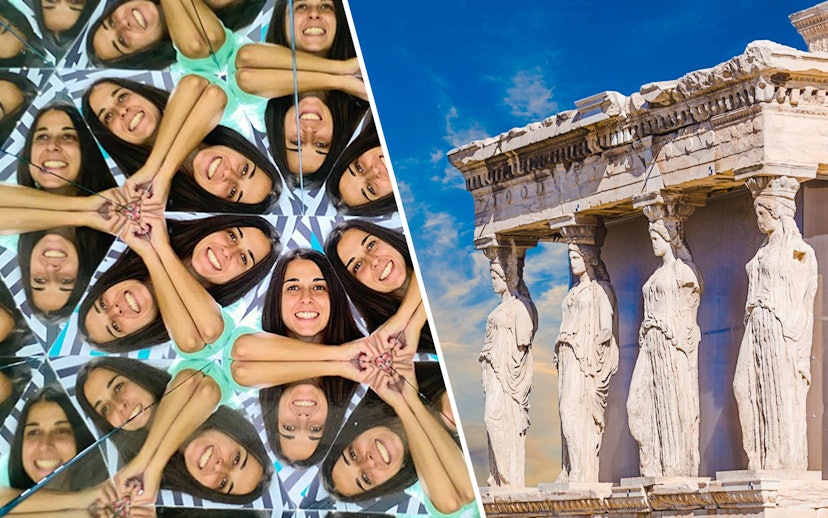
Combo: Museum of Illusions + Acropolis & Parthenon Tickets | Museum of Illusions entry ticket+ Acropolis & Parthenon entry ticket | Visit the entertaining Museum of Illusions and the must-visit ancient Acropolis & Parthenon with this combo ticket at the best price. | From €50 |
How do you get around Museum of Illusions Athens?
Museum layout
The museum is a compact, two-story indoor attraction with themed illusion rooms rather than long galleries, so it’s easy to self-navigate but easy to bottleneck when several groups stop for photos at once.
- Main illusion rooms: Signature photo spaces like the Upside-Down Room and Ames Room → plan 25–35 minutes → busiest part of the route.
- Immersive installations: Vortex Tunnel and Infinity Mirror Room → plan 10–20 minutes → short spaces, but waits build quickly.
- Display illusions: Holograms, perception tricks, and visual puzzles → plan 15–20 minutes → worth slowing down between photo stops.
- Playroom: Hands-on puzzles and brainteasers → plan 10–15 minutes → best saved for the end when you’re done queuing for photos.
Suggested route: Start with the big photo rooms while your slot is still fresh, move through the immersive installations before lines form, then give the quieter illusion panels and the Playroom the final 15 minutes most visitors never leave themselves.
Maps and navigation tools
- Map: On-site orientation rather than a large printed museum map → enough for a compact two-floor visit → pick up your bearings at entry before the first room.
- Signage: Wayfinding is simple, but the flow slows where people stop for photos, so you’ll still want to keep moving and circle back if a room is crowded.
- Audio guide / app: No dedicated audioguide is central to the visit → most visitors rely on exhibit labels and staff tips → the self-guided format works well here.
- Floor flow: The museum is small enough to cover fully in one loop → revisit favorites at the end if a room was crowded on first pass → that saves waiting in the middle of your route.
💡 Pro tip: Don’t spend your first 20 minutes retaking the same photos near the entrance. Do one quick pass through the headline rooms, then circle back once you know where the quieter corners are.
What happens inside Museum of Illusions Athens?

Upside-Down Room
Illusion type: Perspective room
This fully furnished room flips your sense of gravity and produces the museum’s most shareable photos. It’s worth slowing down because the effect only really lands once you start posing rather than just looking. Most visitors rush in, snap one frame, and move on too fast — rotate your photo afterward and the room makes much more sense.
Where to find it: Early on the main photo route, where one of the first bigger lines usually forms.
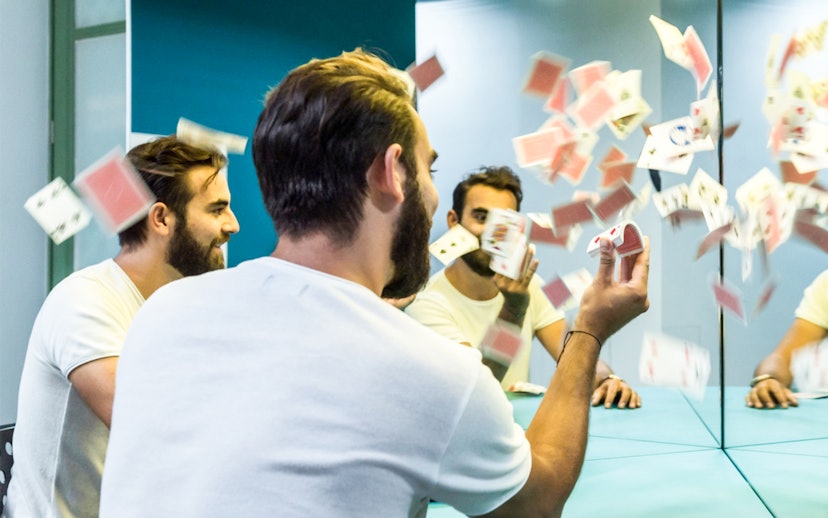
Infinity Mirror Room
Illusion type: Mirror installation
This room turns a small enclosed space into what feels like endless depth in every direction. The best part is not just the photo, but the brief disorientation when your eyes stop trusting the room’s real size. Most visitors don’t pause in the center long enough to feel the full effect, and that’s when the installation becomes more than a quick selfie stop.
Where to find it: Mid-route among the enclosed illusion rooms, where entry is usually limited to a few people at a time.
Vortex Tunnel
Illusion type: Motion and balance illusion
The floor beneath you is stable, but the rotating tunnel walls convince your body that you’re tipping sideways. It’s one of the museum’s funniest and most physical illusions, especially if you visit with friends or children. Most people underestimate how disorienting it feels, so the small detail that matters is using the handrail and taking shorter steps than you think you need.
Where to find it: Along the main circulation route between the larger room-based installations.
Ames Room
Illusion type: Forced-perspective room
This classic illusion makes one person look giant and another tiny, even if they are the same height. It’s worth more than a novelty photo because it demonstrates just how easily your brain misreads scale when the room geometry is manipulated. Most visitors swap corners too quickly — hold the positions for a few seconds and watch the size change become obvious.
Where to find it: In one of the compact staged rooms where staff often help explain where to stand.
Puzzle Playroom
Illusion type: Hands-on brainteaser zone
The Playroom shifts the visit from camera-led fun to slower, more tactile problem-solving. It’s the place that makes the museum feel more thoughtful, especially if you want something beyond photos. Most visitors leave before giving it proper time, but 10–15 minutes here is what rounds out the visit and makes it feel less like a quick social media stop.
Where to find it: Toward the end of the route, after most of the major photo illusions.
Head on a Platter
Illusion type: Mirror illusion
This is one of the museum’s simpler tricks, but it works because the setup is so clean and immediate. Your body disappears and your head seems to sit on a serving plate, which makes it an easy final laugh before leaving. Most visitors miss that the dimmer lighting is deliberate — turning flash off usually gives a better result and avoids mirror glare.
Where to find it: Near the exit, making it a natural last stop before the gift shop.
Facilities and accessibility
- 🎒 Cloakroom / lockers: Free lockers are available near the entrance, which is useful because the illusion rooms work better when you’re not carrying backpacks and coats.
- 🛍️ Gift shop / merchandise: There is a small shop at the exit with puzzles, brainteasers, and illusion-themed souvenirs that make more sense than generic tourist gifts.
- 🪑 Seating / rest areas: The Playroom offers the easiest place to pause because most of the rest of the museum is built around standing, moving, and posing.
- ❄️ Air-conditioning: The museum is an indoor, air-conditioned attraction, which is one reason it works well as a midday break in Athens heat.
- 👥 Staff help: Staff regularly help visitors understand how to stand in the photo rooms and often suggest better camera angles.
- 🚻 Restrooms: Restrooms are available on-site as part of a standard museum visit, and it makes more sense to use them before you begin the most popular photo rooms.
- ♿ Mobility: The museum is wheelchair accessible, with ramps or lifts connecting the 2 floors, though some smaller illusion spaces can still feel tight when crowded.
- 👁️ Visual impairments: This is a strongly visual experience, so visitors who rely less on visual cues may get less from some rooms than from the tactile puzzle areas and staff explanations.
- 🧠 Cognitive and sensory needs: The Vortex Tunnel, mirrored rooms, and busy weekends can feel overstimulating, so the first weekday slot is the calmest option if you want a lower-sensory visit.
- 👨👩👧 Families and strollers: Families are well catered to, but the compact layout means large strollers can feel awkward in busy rooms even though the museum itself is manageable.
- 🛗 Vertical access: Moving between floors is possible without using stairs, which matters in a 2-level venue where the visit would otherwise be incomplete for some guests.
Museum of Illusions Athens works especially well for school-age children because the rooms are hands-on, fast-moving, and built around participation rather than quiet observation.
- 🕐 Time: 1–1.5 hours is realistic with children, and the best order is headline rooms first, Playroom last, before energy drops.
- 🏠 Facilities: Free lockers and an indoor setting make the visit easier with children, especially if you’re carrying layers, snacks for later, or small day bags.
- 💡 Engagement: Let children test what they think the trick is before reading the explanation, because that turns each room into a game instead of a photo queue.
- 🎒 Logistics: Bring a phone with plenty of battery and keep bags light, because you’ll stop often for photos and won’t want to keep managing extra items.
- 📍 After your visit: Monastiraki’s pedestrian streets are an easy next stop for a snack and a short reset before heading to another major sight.
Rules and restrictions
What you need to know before you go
- Timed entry is the standard setup, so booking online is the safest option if you want a specific slot on weekends, holidays, or rainy days.
- Reduced tickets may require ID, so bring your student or age-based proof if you booked a discounted rate.
- Free lockers are available, and storing bulkier bags makes the photo rooms easier to navigate in a compact space.
- Re-entry is not permitted once you leave, so finish photos, restrooms, and the Playroom before heading out.
Not allowed
- Food and drink are not allowed inside the exhibit spaces, so plan snacks or meals before or after your slot.
- Smoking and vaping are not part of the indoor museum environment and should be treated as off-limits inside.
- Pets are not part of the standard visitor setup, so check directly in advance if you need to visit with a service animal.
- Use each installation only as intended, because some rooms are built for posing while others rely on careful alignment and mirrors that are easy to disrupt.
Photography
- Photography is allowed and actively encouraged inside Museum of Illusions Athens, which is one reason the visit moves more slowly than people expect.
- Flash is best avoided, especially in mirrored or dimmer installations where glare ruins the effect.
Practical tips
- Book the time, not just the ticket: On normal weekdays you can often buy on-site, but weekends, holidays, and hot or rainy afternoons are when timed slots matter most.
- Arrive 10–15 minutes early: That gives you enough time to store bags, scan your ticket, and start without rushing the first room.
- Do the big photo rooms first: The Upside-Down Room, Ames Room, and Infinity Mirror Room feel very different at 10:15am than they do after 12 noon, when you’re waiting your turn.
- Save the Playroom for last: Many visitors burn all their time on photos and miss the puzzles entirely, even though 10–15 minutes there makes the visit feel more complete.
- Keep your bag small: The museum is only about 500 m², and narrow room setups feel much more awkward once you’re turning around with a backpack.
- Turn flash off before you start: Mirror glare and dim corners make flash less useful than people expect, especially at Head on a Platter.
- Eat before or after, not during: There’s no café inside, and Monastiraki gives you much better value and variety once you step back out onto Ermou.
- Don’t judge it by the first room: The museum is short, but the best visits come from trying the rooms properly rather than speed-walking for a single photo in each one.
What else is worth visiting nearby?
Commonly paired: Ancient Agora of Athens
Distance: About 400 m — 5 minutes on foot
Why people combine them: It’s an easy same-area pairing if you want one ancient-history stop and one lighter indoor attraction in the same part of central Athens.
Commonly paired: Acropolis Museum
Distance: About 1.2 km — 15 minutes on foot or about 10 minutes by metro
Why people combine them: Many visitors do the Acropolis Museum first, then use the illusion museum as a cooler, faster, more playful midday break.
Eat, shop and stay near Museum of Illusions Athens
On-site: There is no café inside the museum, so this is better treated as a short visit between meals rather than somewhere you’ll stop for food.
Other places nearby:
- Monastiraki square cafés: 3–5 minute walk, Monastiraki; coffee, pastries, and quick café food, with the main advantage being convenience before or after your timed slot.
- Psirri tavernas: 5–8 minute walk, Psirri; Greek meze and sit-down meals, which suit a slower lunch or dinner better than the tourist-heavy edge of Ermou.
- Ermou street snack stops: 1–4 minute walk, Ermou; souvlaki, baked goods, and grab-and-go options that work well if you’re fitting the museum between bigger sights.
Museum gift shop: Puzzle games, illusion toys, and brainteasers near the exit, which are the most relevant buys if you actually want a souvenir tied to the visit.
Other places nearby:
- Monastiraki flea market: Souvenirs, antiques, and casual browsing just outside the museum area, making it the easiest wider shopping stop after your slot.
- Ermou Street stores: Mainstream shopping along Athens’ busiest pedestrian retail stretch, useful if you want to pair the museum with a more general city-center shopping run.
- Price point: Monastiraki ranges from tourist-mid-range to boutique stays, with the most central streets carrying a premium for walkability.
- Best for: Short stays where being able to walk to Monastiraki, Plaka, the Acropolis area, and plenty of food options matters more than peace and quiet.
- Consider instead: Plaka works better if you want a prettier historic base, while Syntagma suits longer stays better if you want easier metro links and a slightly less hectic evening atmosphere.
Frequently asked questions about visiting Museum of Illusions Athens
Most visits take 1–1.5 hours. If you stop for lots of photos, revisit favorite rooms, or spend real time in the Puzzle Playroom, it can stretch closer to 2 hours. Adults moving quickly can finish in under an hour, but that usually means skipping the quieter exhibits that make the museum feel more complete.
You do not always need to book in advance, but it is the smarter choice for weekends, holidays, rainy days, and summer afternoons. The museum uses timed entry, and the busiest slots can fill before you arrive. On quieter weekdays, walk-up entry is often still possible if you are flexible about timing.
A separate premium skip-the-line upgrade is usually less important here than simply booking a timed ticket online. The main benefit comes from securing your slot rather than unlocking a special fast lane. If you arrive without a reservation during a busy period, the real risk is waiting for the next available entry time.
Arrive about 10–15 minutes early. That gives you enough time to find the entrance, use the lockers, and enter without rushing your first few rooms. If you arrive late on a busy day, staff may still admit you, but you could lose time or be moved to the next available slot.
Yes, but smaller is better. Free lockers are available, and using them makes the compact rooms much easier to move through, especially when you are turning for photos or waiting in line for a setup. A large daypack is more of a hassle here than at a traditional museum.
Yes, photography is encouraged. That is a core part of the visit, and many of the rooms are designed around camera angles and perspective tricks. Flash is best avoided in mirror-heavy or darker installations, because it can create glare and flatten the effect you are trying to capture.
Yes, and it works well for families, school groups, and small friend groups. The museum also offers group options for larger parties, but the experience feels best when you can rotate through the rooms without too many people waiting behind you. If your group is large, booking ahead matters much more.
Yes, it is one of the better family-friendly indoor attractions in central Athens. Most children enjoy the fast pace, interactive rooms, and chance to be part of the illusion rather than just observe it. The sweet spot is usually school-age children, though younger children can still enjoy the more visual rooms with help from an adult.
Yes, the museum is wheelchair accessible, with ramps or lifts connecting the 2 floors. The main limitation is not access between levels but the compact size of some illusion rooms, which can feel tight when crowded. Visiting early in the day makes navigation easier for anyone who needs more space.
Food is available near the museum, but not as part of the core on-site experience. The good news is that Monastiraki, Psirri, and Ermou are packed with cafés, bakeries, and quick Greek street-food options within a few minutes’ walk. It makes more sense to eat before or after your slot than try to plan around food during it.
Yes, if you enjoy interactive attractions, visual puzzles, or photo-led experiences. Adults who expect a conventional museum may find it short, but adults who lean into the installations usually get much more out of it. Going at a quiet time also matters more for adults, because the smaller rooms feel much less playful when crowded.
Yes, it is an indoor, air-conditioned attraction. That is one reason it is so popular in summer and on hot afternoons, when many travelers want a break from outdoor Athens sightseeing. It also makes the museum a useful rainy-day backup if you need a central indoor activity.